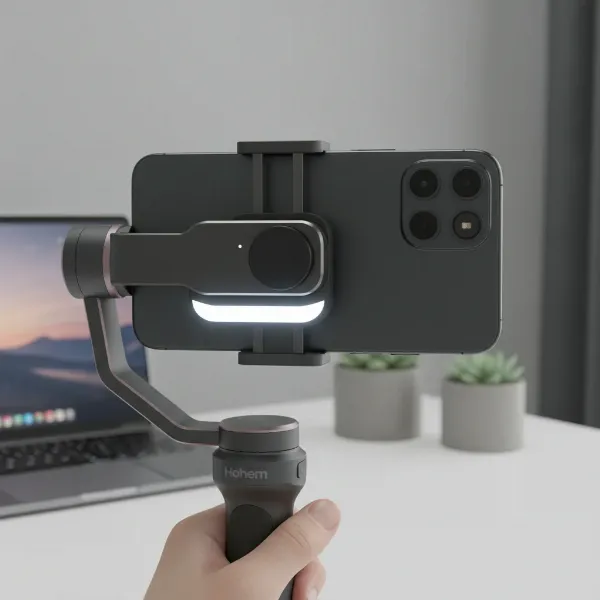
As a seasoned technician with over a decade of experience in camera stabilizers, I’ve seen firsthand how crucial proper equipment protection is. A gimbal is a sophisticated piece of gear, essential for capturing those buttery-smooth, cinematic shots that elevate your visual storytelling. But its intricate motors and delicate balance mechanisms also make it vulnerable during transit. Whether you’re traveling across continents or just to a local shoot, knowing how to safeguard your gimbal is paramount to its longevity and your peace of mind. This article will guide you through selecting the ideal transport solution and best practices to keep your gimbal pristine.
Why Safe Gimbal Transport Matters: Protecting Your Precision Gear
Your gimbal isn’t just a tool; it’s an investment in your craft, designed for precision and fluid motion. These devices rely on delicate sensors, motors, and electronic components that can be easily damaged by impacts, vibrations, dust, or moisture. Improper transport can lead to costly repairs, unexpected downtime, and even missed opportunities for capturing critical footage. Imagine arriving at a location only to find your gimbal misaligned or malfunctioning – it’s a filmmaker’s worst nightmare. Ensuring your gimbal is properly protected prevents these setbacks, preserving its performance and extending its lifespan.
Types of Gimbal Transport Solutions: Hard Cases vs. Soft Bags
When it comes to protecting your gimbal, you generally have two main categories of transport solutions: hard cases and soft bags/backpacks. Each offers distinct advantages tailored to different travel needs and levels of protection.
Hard Cases: Maximum Protection for Harsh Environments
|
Our Picks for the Best Camera Stabilizer in 2026
As an Amazon Associate I earn from qualifying purchases.
|
||
| Num | Product | Action |
|---|---|---|
| 1 | 3-Shoe DSLR/Mirrorless/Action Camera Camcorder Phone Stabilizer Expansion Cage Mount Moviemaking Holder Rig YouTube Tiktok Vlogging Video Kit Compatible with GoPro Canon Nikon Sony iPhone Android |

|
| 2 | Zeadio Video Action Stabilizing Handle Grip Handheld Stabilizer with Cold-Shoe Mount for All DSLR Camera Camcorder |
|
| 3 | DJI Osmo Mobile 8 Advanced Tracking Combo Gimbal Stabilizer for Phone, AI Native Tracking with Audio & Lighting, 360° Pan Rotation, Built-in Extension Rod & Tripod, 10h Battery, Extension Rod |
|
| 4 | DJI Osmo Mobile 7P Gimbal Stabilizer for iPhone, Android, Native Tracking, Lighting, 3-Axis Phone Gimbal, Quick Launch, One-Tap Edit, Built-in Extension Rod & Tripod, 10hrs Use, Phone Charging |
|
| 5 | FeiyuTech SCORP 3 Gimbal Stabilizer for Camera, Built-in AI Tracking Sensor & Detachable Remote Control, 3.5KG Payload Camera Stabilizer with Touch Screen, Vertical Shooting |
|
| 6 | DJI RS 3 Mini, 3-Axis Gimbal Stabilizer for Cameras Canon/Sony/Panasonic/Nikon/Fujifilm, 2 kg (4.4 lbs) Tested Payload, Camera Gimbal with Native Vertical Shooting, Black |
|
| 7 | DJI Osmo Mobile 7 Gimbal Stabilizer for iPhone, Android, Built-in Tripod, Portable Stabilizer for iPhone, Selfie Stick, 3-Axis Phone Gimbal, ActiveTrack 7.0, One-Tap Edit, 10hrs Use, Phone Charging |
|
| 8 | FeiyuTech SCORP 2 Gimbal Stabilizer for DSLR and Mirrorless Camera, Integrated Al Tracking Sensor, 3-Axis Camera Stabilizer for Sony Canon Panasonic Nikon, 2.5kg Payload Touch Screen Vertical Shooting |
|
| 9 |
|
|
| 10 | ZHIYUN CINEPEER Weebill 3E [Official], 3-Axis Lightweight Gimbal Stabilizer for DSLR & Mirrorless Camera Canon/Sony/Panasonic/Nikon, 3KG Payload, Native Vertical Shooting, Bluetooth Shutter Control |
|
Hard cases, often made from durable plastics like polypropylene, are the ultimate fortress for your gimbal. Brands like Pelican and Nanuk are renowned for their rugged construction. These cases typically feature a rigid exterior, often crushproof, and come with customizable foam inserts that can be precisely cut to cradle your gimbal and its accessories. Many are also waterproof and dustproof, providing unparalleled protection against the elements and rough handling. They are ideal for situations where your gear might be subjected to extreme conditions, such as checked luggage on flights, shipping, or challenging outdoor environments.
While hard cases offer superior protection, they tend to be heavier and bulkier, which can be a drawback for portability. They often require the gimbal to be disassembled or folded into its most compact state, adding setup time at your destination.
Soft Cases and Backpacks: Portability and Quick Access
Soft cases, including backpacks, shoulder bags, and sling bags, prioritize portability and ease of access. Made from robust fabrics, these solutions usually feature ample padding and customizable dividers. Popular options from brands like Lowepro, Peak Design, and Manfrotto often combine comfortable carrying systems with smart organizational features. They allow for quicker deployment, as some gimbals can be stored in a semi-ready state without complete disassembly.
Soft cases are excellent for day trips, local shoots, or as carry-on luggage where you maintain control over your gear. They are lighter and more comfortable for extended carrying, such as hiking or navigating crowded areas. However, they offer less impact protection compared to hard cases and may not be fully waterproof, making them less suitable for extreme conditions or situations where your gear might be out of your immediate control.
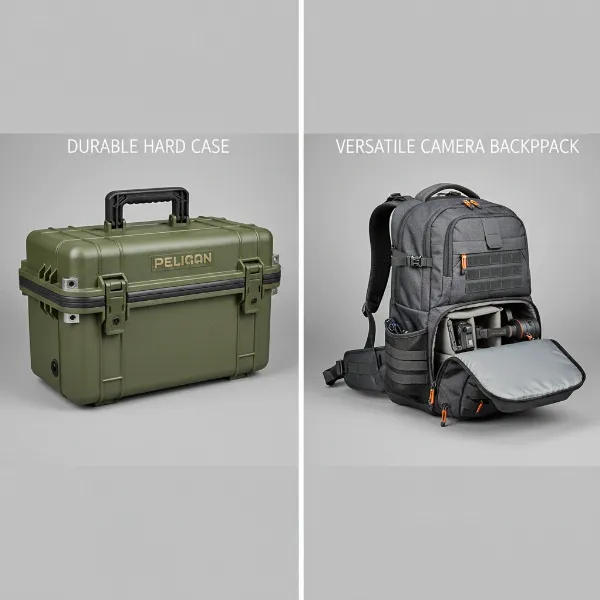 A side-by-side comparison of a rugged hard case for a gimbal and a versatile soft camera backpack, highlighting their different protective qualities and design.
Key Factors to Consider When Choosing Your Gimbal Case or Bag
Selecting the right transport solution involves weighing several factors against your specific needs and workflow.
Your Gimbal Model and Size
First and foremost, the case or bag must be compatible with your specific gimbal model. Gimbals vary significantly in size and form factor. Ensure the chosen solution can comfortably accommodate your gimbal, either fully assembled or in its folded state, along with its quick-release plates, handles, and other essential components. Many cases come with pre-cut foam or adjustable dividers for popular models like the DJI RS series, Zhiyun Crane, or Moza gimbals.
Your Travel Style
How you travel dictates the type of protection you need.
- Air Travel: For carry-on, soft backpacks or specialized rolling hard cases (TSA-approved dimensions) are often preferred for easy cabin storage and quick access. For checked luggage, a rugged hard case is almost always recommended to withstand rough handling.
- Car Travel: Both hard cases and padded soft bags work well. The key is securing the case within your vehicle to prevent it from sliding or tipping.
- Hiking/Outdoor Shoots: Comfortable backpacks with good weight distribution, weather resistance, and quick access are ideal.
- Daily Commute/Local Shoots: Smaller sling bags or compact backpacks offer convenience and discreet carrying.
Level of Protection vs. Convenience
This is often the biggest trade-off. Do you need absolute, military-grade protection from drops and water, or do you prioritize quick setup and easy portability? Hard cases provide maximum protection but sacrifice convenience, often requiring disassembly. Soft bags offer convenience and quicker access but provide less robust protection. Consider your typical shooting environments and travel risks.
Material and Durability
Look for materials that match your expected use.
- Hard Cases: Seek impact-resistant polymers, secure latches, and rubber gaskets for waterproofing (IP ratings are a good indicator). Pressure relief valves are essential for air travel to equalize pressure changes.
- Soft Bags: Durable, weather-resistant fabrics (e.g., ripstop nylon, Cordura), reinforced stitching, and high-quality zippers are crucial. Good padding and shock absorption within the compartments are also vital.
Organization and Capacity for Accessories
Gimbals come with various accessories—batteries, charging hubs, cables, focus motors, external monitors, and quick-release plates. A good case or bag will have dedicated compartments or flexible dividers to keep everything organized and secure, preventing items from shifting and potentially damaging the gimbal.
Budget Considerations
Gimbal cases and bags range widely in price. While it’s tempting to save money, remember that this is protection for expensive equipment. View it as an investment. Balance your budget with the required level of protection and features. Sometimes, a slightly higher initial cost can save you significant repair or replacement costs down the line.
Best Practices for Packing Your Gimbal Safely
Even with the perfect case, proper packing techniques are essential to ensure your gimbal arrives in working order.
- Lock All Axes: Many gimbals have physical locks for their pan, tilt, and roll axes. Engage these locks to prevent the motors from free-floating and potentially getting damaged during transit. If your gimbal doesn’t have locks, ensure it’s powered off and secured in a way that minimizes movement.
- Disassemble or Fold: Most modern gimbals are designed to fold into a more compact form. Always utilize this feature. Remove any detachable handles, tripods, or quick-release plates to make the gimbal as small and stable as possible.
- Utilize Custom Foam or Padded Dividers: If using a hard case with pick-and-pluck foam, customize it precisely to the shape of your gimbal. For bags with adjustable dividers, arrange them snugly around the gimbal and its components to prevent any shifting or knocking against each other.
- Secure Accessories: Place batteries, cables, and other small accessories in designated pockets or smaller padded compartments. Ensure they are not loose, as they can become projectiles during transit and damage your gimbal.
- Avoid Overpacking: While you want to maximize space, don’t force items into your case or bag. Overpacking can put undue pressure on your gimbal or its components, leading to damage.
- Consider Lens/Camera Removal: For larger camera gimbals, it’s often best practice to remove the camera and lens and store them in separate, dedicated compartments within the same bag or case. This reduces strain on the gimbal motors and prevents lens damage.
“A gimbal is a precision instrument. Treat it like one during transport. Always secure every axis, use tailored padding, and never compromise on a quality case. The few extra minutes you spend packing properly can save you days of lost work and hundreds in repairs.” – Alex Chen, Professional Cinematographer and Stabilizer Expert
Top Gimbal Cases and Bags for Safe Transport
Rather than endorsing specific models that may vary by market and gimbal type, let’s categorize some highly-regarded approaches to gimbal protection:
For Ultimate Protection: Rugged Hard Cases
These cases offer military-grade protection, making them ideal for professionals who need to ship their gear or frequently travel to challenging locations. They typically feature impact-resistant shells, waterproof seals, and custom foam inserts.
- Characteristics: Extremely durable, waterproof, dustproof, crushproof, often has wheels and telescopic handles.
- Best For: Checked airline luggage, extreme outdoor conditions, shipping, long-term storage.
For Versatile Travel: Professional Gimbal Backpacks
Designed for videographers on the go, these backpacks balance protection with portability and organization. They offer comfortable carrying systems and quick access to your gear.
- Characteristics: Padded compartments, customizable dividers, ergonomic design, weather-resistant materials, dedicated laptop/tablet sleeves, sometimes allows for semi-assembled gimbal storage.
- Best For: Carry-on airline travel, urban shoots, hiking, general field production.
For Lightweight & Quick Access: Compact Soft Bags
These smaller bags are perfect for minimalist setups or when you need to grab your gimbal and go without much fuss.
- Characteristics: Lightweight, compact, often with shoulder straps or sling design, basic padding, multiple pockets for small accessories.
- Best For: Small gimbals (e.g., smartphone gimbals), short trips, quick vlogging sessions, as an addition to a larger kit.
Buying Guide: Expert Advice for Choosing Your Perfect Gimbal Companion
When you’re ready to invest in a transport solution for your gimbal, keep these expert tips in mind:
- Define Your Needs: Clearly identify your primary use case (e.g., air travel, hiking, daily use). This will help you narrow down between hard cases, backpacks, or smaller bags.
- Measure Your Gear: Don’t guess. Measure your gimbal (both assembled and folded, with and without the camera) and any essential accessories to ensure they will fit comfortably and securely.
- Read Reviews and Watch Videos: Look for real-world reviews and video demonstrations of the cases or bags you’re considering. Pay attention to comments on durability, ease of use, and actual capacity.
- Check Warranty and Support: A good warranty indicates the manufacturer’s confidence in their product. Good customer support can be invaluable if you encounter any issues.
- Consider Future Needs: If you plan to upgrade your gimbal or expand your kit, think about a transport solution that offers some flexibility or room for growth. Customizable interiors are key here.
- Prioritize Internal Security: Ensure the internal padding, foam, or dividers are robust enough to prevent any movement of the gimbal during transit. A snug fit is crucial.
Conclusion
Your camera gimbal is an indispensable tool for achieving professional-grade, stable footage. Protecting this valuable asset during transport is not merely an option, but a necessity. By understanding the differences between hard cases and soft bags, evaluating key factors like your travel style and gimbal model, and adhering to best packing practices, you can significantly extend the life and reliability of your equipment. Investing in the right transport solution means more than just safeguarding your gear; it means safeguarding your creative potential, ensuring that your gimbal is always ready to capture the next stunning shot, no matter where your adventures take you. What kind of adventures will your gimbal unlock next?
Frequently Asked Questions
Can I fly with my gimbal in a carry-on bag?
Yes, most gimbals are allowed in carry-on luggage, especially if they are foldable and fit within standard dimensions. Always ensure batteries are transported according to airline regulations, typically in carry-on and not checked luggage. It’s advisable to check with your airline beforehand, particularly for larger professional gimbals.
Should I remove the camera from the gimbal before packing?
For larger professional gimbals, it is generally recommended to remove the camera and lens and pack them separately within the same case or bag. This reduces stress on the gimbal’s motors and ensures the camera and lens are also adequately protected from impacts.
Are custom foam inserts worth the investment?
Custom foam inserts provide the most secure fit for your gimbal and accessories, offering superior protection against movement and impact within a hard case. While they require an initial effort to cut or purchase pre-cut for specific models, they are highly recommended for maximizing the safety of your expensive gear, especially for frequent travel or rough conditions.
What is a “gimbal lock” and why is it important for transport?
A gimbal lock is a physical mechanism on some gimbals (especially drone gimbals but also some handheld ones) that secures the gimbal’s motors and camera head, preventing them from flopping around during transport. Engaging these locks is crucial to protect the delicate motors and electronic ribbon cables from damage caused by uncontrolled movement.