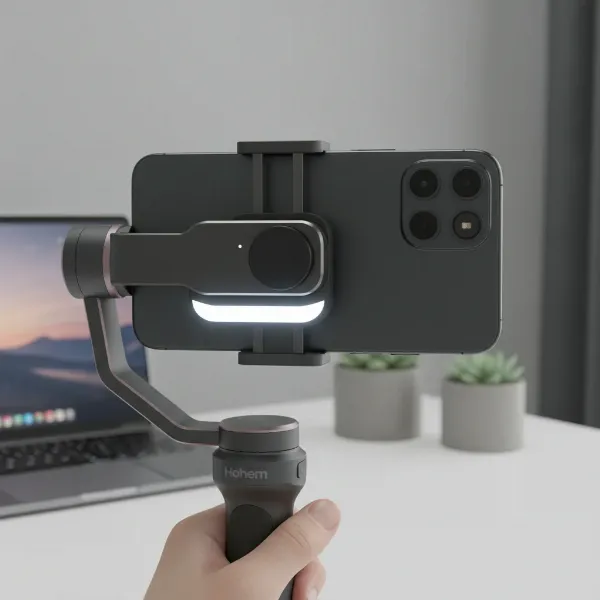
Capturing buttery-smooth video footage is no longer solely the domain of Hollywood studios. With the rise of advanced camera stabilizer technology, everyone from vloggers to indie filmmakers can achieve professional-grade stability. But as you dive into the world of gimbals, a crucial question often arises: should you opt for a 2-axis or a 3-axis system? Understanding the fundamental differences between these camera stabilizers is key to unlocking your creative potential and ensuring your shots are always perfectly level, no matter the action. This comprehensive guide will break down the distinctions, helping you navigate the options and choose the ideal stabilization tool for your unique filming needs.
What is a Camera Stabilizer? Why Do You Need It?
A camera stabilizer is a device designed to reduce unwanted camera movement, shake, and vibration, resulting in incredibly smooth and professional-looking video footage. Imagine trying to film while walking, running, or riding in a vehicle; without stabilization, your footage would be jarring and unusable. Stabilizers counteract these movements, allowing your camera to float seamlessly through space.
Gimbals, a popular type of electronic camera stabilizer, utilize motors and sensors to detect and correct unintentional wobbles across different axes of movement:
- Tilt (Pitch): Up and down movement, like nodding your head.
- Roll: Side-to-side rotation, like tilting your head to your shoulder.
- Pan (Yaw): Left and right rotation, like shaking your head “no.”
By actively neutralizing these movements, a gimbal ensures your camera remains steady and level, transforming shaky handheld shots into cinematic sequences. Beyond gimbals, other stabilizers like mechanical Steadicams and sliders offer different approaches to achieving stability and unique camera movements. The primary benefit of using any camera stabilizer is the significant improvement in video quality, making your content more engaging and professional.
Factors to Consider When Choosing a Camera Stabilizer
Selecting the right camera stabilizer is a personal decision that depends heavily on your specific requirements and creative aspirations. Before investing, consider these critical factors to ensure you make an informed choice that aligns with your filming style and equipment.
Camera Type
The type of camera you intend to use is paramount. Different stabilizers are designed to handle varying weights and sizes, impacting their effectiveness and compatibility.
- DSLR/Mirrorless Cameras: These require robust gimbals with higher payload capacities and powerful motors. Many 3-axis gimbals are specifically engineered for the heavier weight and larger form factor of professional camera bodies and lenses, offering precise balance and control.
- Action Cameras (GoPro, DJI Osmo Action): Smaller, lighter, and often used in dynamic environments, action cameras benefit from compact, durable stabilizers. Some action cameras feature excellent in-body stabilization, but a dedicated gimbal can further enhance smoothness, particularly with complex movements. You might find 2-axis gimbals suitable for these, especially if they handle yaw through other means.
- Smartphones: The most accessible camera in your pocket also has dedicated stabilizers. Smartphone gimbals are typically lightweight, portable, and user-friendly. Both 2-axis and 3-axis options exist, with 3-axis providing superior stabilization for more ambitious mobile filmmaking projects.
|
Our Picks for the Best Camera Stabilizer in 2026
As an Amazon Associate I earn from qualifying purchases.
|
||
| Num | Product | Action |
|---|---|---|
| 1 | FeiyuTech SCORP 3 Gimbal Stabilizer for Camera, Built-in AI Tracking Sensor & Detachable Remote Control, 3.5KG Payload Camera Stabilizer with Touch Screen, Vertical Shooting |

|
| 2 | DJI RS 3 Mini, 3-Axis Gimbal Stabilizer for Cameras Canon/Sony/Panasonic/Nikon/Fujifilm, 2 kg (4.4 lbs) Tested Payload, Camera Gimbal with Native Vertical Shooting, Black |
|
| 3 | DJI Osmo Mobile 7 Gimbal Stabilizer for iPhone, Android, Built-in Tripod, Portable Stabilizer for iPhone, Selfie Stick, 3-Axis Phone Gimbal, ActiveTrack 7.0, One-Tap Edit, 10hrs Use, Phone Charging |
|
| 4 | ZHIYUN CINEPEER Weebill 3E [Official], 3-Axis Lightweight Gimbal Stabilizer for DSLR & Mirrorless Camera Canon/Sony/Panasonic/Nikon, 3KG Payload, Native Vertical Shooting, Bluetooth Shutter Control |
|
| 5 | FeiyuTech SCORP 2 Gimbal Stabilizer for DSLR and Mirrorless Camera, Integrated Al Tracking Sensor, 3-Axis Camera Stabilizer for Sony Canon Panasonic Nikon, 2.5kg Payload Touch Screen Vertical Shooting |
|
| 6 | DJI Osmo Mobile 8 Advanced Tracking Combo Gimbal Stabilizer for Phone, AI Native Tracking with Audio & Lighting, 360° Pan Rotation, Built-in Extension Rod & Tripod, 10h Battery, Extension Rod |
|
| 7 | Zeadio Video Action Stabilizing Handle Grip Handheld Stabilizer with Cold-Shoe Mount for All DSLR Camera Camcorder |
|
| 8 | Zeadio Camera Stabilizer Kit, All-in-One Handheld Stabilizer with LED Video Light, Microphone, Phone Holder & Action Camera adaper, Fits for All Camera, DSLR, Action Camera and All Smartphones |
|
| 9 | 3-Shoe DSLR/Mirrorless/Action Camera Camcorder Phone Stabilizer Expansion Cage Mount Moviemaking Holder Rig YouTube Tiktok Vlogging Video Kit Compatible with GoPro Canon Nikon Sony iPhone Android |
|
| 10 | DJI Osmo Mobile 7P Gimbal Stabilizer for iPhone, Android, Native Tracking, Lighting, 3-Axis Phone Gimbal, Quick Launch, One-Tap Edit, Built-in Extension Rod & Tripod, 10hrs Use, Phone Charging |
|
Budget
Your budget will inevitably influence your options, as camera stabilizers range widely in price. It’s crucial to balance cost with the performance and features you truly need.
- Entry-Level (Budget-Friendly): Often includes simpler 2-axis gimbals or basic smartphone stabilizers. These are excellent for beginners or casual users who need basic shake reduction without extensive features. They offer significant value for casual vlogging or family videos.
- Mid-Range: This segment typically offers a wider selection of feature-rich 3-axis gimbals for smartphones and lighter mirrorless cameras. You’ll find improved motor performance, more advanced shooting modes, and better battery life, providing a good balance of features and cost.
- High-End (Professional): Dominated by advanced 3-axis gimbals designed for heavier DSLR and cinema camera setups. These come with premium build quality, precise control, extensive customization options, and often sophisticated follow-focus systems, justifying their higher price tag for professional productions.
Purpose of Use
The intended application of your camera stabilizer plays a significant role in determining the most suitable type. Tailoring your choice to your specific filming scenarios will prevent overspending or underperforming.
- Travel Vlogging & Casual Filming: For spontaneous shots, quick vlogs, or capturing family moments, portability and ease of use are key. A lightweight 2-axis gimbal, especially for smartphones, might be perfectly adequate. If you anticipate more dynamic movements or walking shots, a compact 3-axis model could offer more versatility.
- Sports & Action Filming: Capturing fast-paced movement demands robust stabilization. While action cameras have improved in-body stabilization, a 3-axis gimbal is almost always recommended for professional-grade action shots, providing the necessary compensation for aggressive movements and unpredictable environments.
- Professional Cinematography & Short Films: For demanding productions where every shot counts, a 3-axis gimbal is the industry standard. Its superior stabilization across all three axes ensures consistent, fluid motion, critical for cinematic storytelling, commercial advertising, and event coverage.
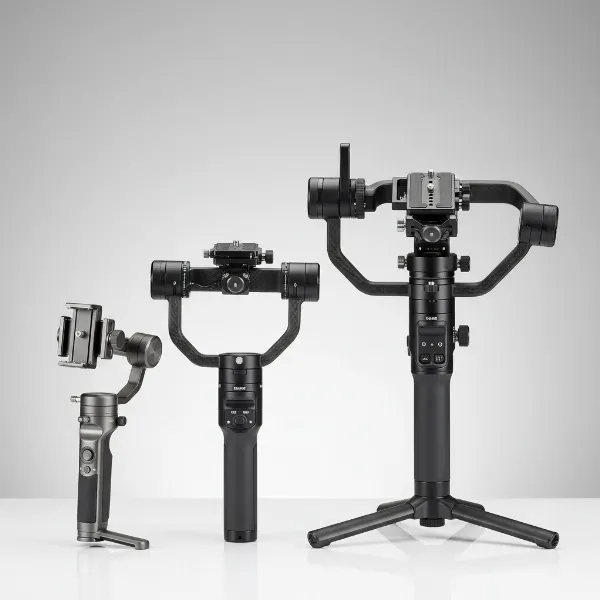 A selection of camera stabilizers for smartphones, action cameras, and professional DSLR cameras, showcasing versatility for various filming needs.
Weight and Size
The physical characteristics of your stabilizer impact its portability and how comfortable it is to use over extended periods. Consider the balance between power and convenience.
- Portability: Lighter, more compact stabilizers are ideal for travel and situations where you need to move quickly and discreetly. 2-axis gimbals are generally lighter due to fewer motors and a simpler design.
- Payload Capacity: This refers to the maximum weight your stabilizer can effectively carry and balance. Ensure your chosen gimbal can support your camera and lens combination, including any accessories like microphones or external monitors. A mismatch here will lead to poor performance and potential motor strain.
- Ease of Carrying: If you’re constantly on the move, a collapsible or easily packable gimbal will be a significant advantage. The larger and heavier 3-axis gimbals, especially for professional cameras, can be more cumbersome to transport and set up.
Comparing 2-Axis vs. 3-Axis Camera Stabilizers
The core difference between 2-axis and 3-axis gimbals lies in the number of planes they stabilize, directly impacting their performance and ideal use cases. Understanding this distinction is crucial for making the right choice.
A 2-axis gimbal primarily corrects for movements along two axes: tilt (pitch), which handles up and down motion, and roll, which stabilizes side-to-side tilting. This means it can effectively smooth out forward/backward tilting and horizon leveling. Historically, 2-axis gimbals were common for drones where the drone itself handles yaw (pan) movements. They are generally simpler in design, lighter, and more power-efficient. While they offer good basic stabilization, they cannot compensate for rotational movements around the vertical axis (pan). This means that if you physically turn the camera left or right, a 2-axis gimbal will not smooth out that horizontal “pan” motion, potentially leading to jerky footage if not handled carefully.
In contrast, a 3-axis gimbal provides comprehensive stabilization by correcting movements across all three axes: tilt (pitch), roll, and pan (yaw). The addition of the pan axis motor means the gimbal actively smooths out horizontal rotations, whether you’re following a subject or executing a sweeping shot. This complete stabilization package is what delivers truly cinematic, “floating” footage, even when the operator is walking, running, or moving in complex patterns. This superior stabilization comes at the cost of increased weight, more complex engineering, and typically a higher price point. However, for professional applications or dynamic shooting scenarios where any form of shake or rotational wobble is unacceptable, the 3-axis system is indispensable.
Here’s a breakdown to help visualize their differences:
| Feature | 2-Axis Gimbal | 3-Axis Gimbal |
|---|---|---|
| Axes Stabilized | Tilt (Pitch), Roll | Tilt (Pitch), Roll, Pan (Yaw) |
| Primary Advantage | Lighter, more compact, better battery life, more affordable | Superior overall stability, smoother rotational movements |
| Primary Limitation | No stabilization for horizontal pan/yaw movements | Heavier, more complex, generally higher cost |
| Ideal Use Cases | Casual vlogging, static shots, drones (where yaw is controlled by drone), lightweight setups, budget-conscious users | Professional filmmaking, dynamic action shots, walking/running footage, commercial work, any scenario demanding maximum smoothness |
| Weight | Generally lighter | Generally heavier |
| Battery Life | Often longer | Typically shorter (due to more motors working) |
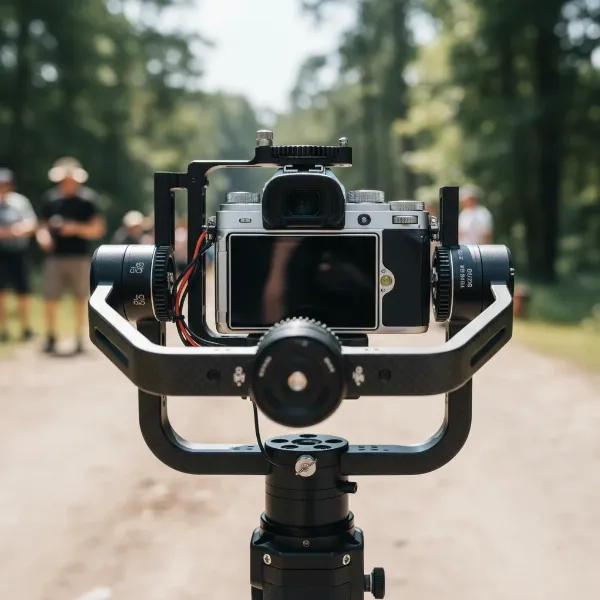 A professional 3-axis camera gimbal with a mirrorless camera attached, demonstrating its complex stabilization mechanism for cinematic shots.
“While a 2-axis gimbal can significantly improve basic stability, the true magic of seamless, cinematic motion often comes from the comprehensive correction offered by a 3-axis system across all planes of movement.” – Alex Chen, Professional Videographer & Stabilizer Specialist
Top Camera Stabilizers Popular Today
The market for camera stabilizers is constantly evolving, with new models offering enhanced features and performance. Here are examples of popular types you might encounter, illustrating the diversity available for different camera setups and needs.
Entry-Level Smartphone Gimbal (e.g., DJI Osmo Mobile Series) – Lightweight & Accessible
These gimbals are specifically designed for mobile phones, transforming smartphone video into smooth, professional-looking footage. They are incredibly portable, easy to set up, and often come with intelligent features like object tracking, time-lapse, and panoramic modes. While some budget options might be 2-axis, most popular models today offer 3-axis stabilization, providing excellent all-around smoothness for vloggers and casual content creators. Their main drawbacks include limited payload for larger phones with bulky cases and typically a plastic build.
Mid-Range Mirrorless Gimbal (e.g., Zhiyun Weebill S/3, DJI RS 3 Mini) – Versatile & Powerful
This category caters to mirrorless camera users, offering a balance of performance, portability, and price. These gimbals are usually 3-axis, capable of supporting a range of mirrorless bodies and lenses. They feature robust motors, advanced balancing systems, and ergonomic designs for comfortable handling. Many offer quick-release plates, intuitive controls, and a variety of shooting modes to enhance creative possibilities. Their main limitations might include a learning curve for balancing and a relatively heavier setup compared to smartphone gimbals.
Professional DSLR/Cinema Camera Gimbal (e.g., DJI RS 3 Pro, Zhiyun Crane 3S) – Robust & Feature-Rich
Designed for heavy-duty setups including DSLRs, cinema cameras, and professional lenses, these 3-axis gimbals deliver uncompromising stability and precision. They boast powerful motors, high payload capacities, and advanced stabilization algorithms to handle significant weight with ease. Often featuring modular designs, external monitors, follow-focus systems, and extensive customization options, they are the tools of choice for professional filmmakers, broadcast productions, and demanding commercial shoots. The primary downsides are their substantial weight, higher cost, and the time required for precise balancing and setup.
How to Use and Maintain Your Camera Stabilizer
Getting the most out of your camera stabilizer involves proper setup, effective filming techniques, and diligent maintenance. Mastering these aspects will ensure your equipment performs optimally and lasts for years.
Balancing and Setup
Proper balancing is the single most critical step for any gimbal, especially a 3-axis model. It ensures the motors don’t have to work harder than necessary, preventing overheating, extending battery life, and providing smoother footage.
- Mount Your Camera: Securely attach your camera to the gimbal’s mounting plate.
- Rough Balance: Unlock each axis and manually adjust the camera’s position until it remains level when released. Start with tilt, then roll, and finally pan. The camera should stay still in any position you leave it, without drifting.
- Fine-Tune Electronically: Once physically balanced, power on the gimbal. Most modern gimbals have an auto-tune feature that calibrates motor strength to your camera’s weight for optimal performance.
Tips for Smooth Filming
Even with a perfectly balanced gimbal, technique matters.
- Walk Like a Ninja: Bend your knees and walk softly, rolling your feet from heel to toe to minimize vertical bounce.
- Anticipate Movement: Plan your shots. Smooth starts and stops are crucial. Don’t make sudden, jerky movements.
- Use Your Core: Hold the gimbal close to your body, using your core muscles rather than just your arms to control movement, reducing fatigue and improving stability.
- Practice Different Holds: Experiment with underslung, upright, and briefcase modes to find what works best for various shots.
Cleaning and Maintenance
Regular care prolongs the life of your stabilizer.
- Keep it Clean: Use a soft, dry cloth to wipe down the gimbal body. Avoid harsh chemicals.
- Protect the Motors: Be careful not to bump or jar the motors, especially when powered off, as this can damage them.
- Store Properly: Store your gimbal in its designated case to protect it from dust and impact.
- Charge Batteries Safely: Use only the charger provided by the manufacturer and avoid overcharging.
Where to Purchase Your Camera Stabilizer
Acquiring a camera stabilizer is a significant investment, and knowing reliable purchasing channels ensures you get a genuine product with proper support.
- Specialty Camera Stores: Local and online camera shops often carry a wide range of gimbals from various brands. They can offer expert advice, allow you to test products, and provide after-sales support and warranty services.
- Electronics Retailers: Large electronics stores, both physical and online, frequently stock popular camera stabilizer brands, particularly for smartphones and entry-level mirrorless systems. Prices can be competitive, but specialized advice might be limited.
- Online Marketplaces: Websites like Amazon, B&H Photo, Adorama, and others offer extensive selections and competitive pricing. Always verify the seller’s reputation and ensure the product comes with a manufacturer’s warranty. Be wary of unauthorized resellers.
- Manufacturer Websites: Purchasing directly from brands like DJI, Zhiyun, or FeiyuTech ensures you receive an authentic product, direct warranty support, and access to the latest models and accessories.
When making a purchase, always review the return policy, warranty terms, and available customer support to safeguard your investment.
Buying Guide: Expert Advice for Choosing Your Gimbal
Navigating the array of camera stabilizers can be daunting, but with a clear understanding of your needs, the decision becomes much simpler. Here’s some expert advice to guide your final selection.
First and foremost, define your primary filming goals and the type of camera you’ll be using most often. Are you a solo content creator using a smartphone for daily vlogs, or a professional cinematographer shooting dynamic action sequences with a heavy mirrorless camera? Your core use case will immediately point you towards either a lighter, more portable 2-axis solution (if available and suitable) or a robust, all-encompassing 3-axis system. If smooth horizontal panning is crucial for your storytelling, a 3-axis gimbal is non-negotiable.
Secondly, research and compare products thoroughly. Read reviews, watch hands-on demonstrations, and pay close attention to real-world performance, not just specifications. Consider factors like battery life, ease of balancing, available shooting modes, and the overall build quality. Don’t shy away from user forums and community discussions for honest feedback on reliability and potential quirks of specific models. Many users find the learning curve of balancing to be a significant hurdle, so seek out gimbals known for user-friendly setup processes.
Finally, prioritize after-sales support and warranty. Even the best equipment can encounter issues. A strong warranty and responsive customer service from both the retailer and the manufacturer can save you significant hassle and cost in the long run. Also, consider the availability of accessories like extension rods, external battery packs, and carrying cases, which can enhance your stabilizer’s versatility and usability over time.
Frequently Asked Questions
What is the primary difference in stabilization between a 2-axis and 3-axis gimbal?
The primary difference lies in the number of planes of movement they stabilize. A 2-axis gimbal corrects for tilt (up/down) and roll (side-to-side) movements, while a 3-axis gimbal adds stabilization for pan (left/right rotational) movements. This makes 3-axis gimbals superior for dynamic shots that involve turning the camera horizontally, offering complete stability across all three axes.
Are 2-axis gimbals still relevant for modern filmmaking?
While 3-axis gimbals dominate the professional market, 2-axis gimbals can still be relevant for specific applications. They are often lighter, more compact, and more budget-friendly, making them suitable for casual users, travel photography with smartphones, or drones where the drone’s flight controller handles yaw stabilization. However, for hand-held, dynamic video, 3-axis is generally preferred for comprehensive smoothness.
Can a 2-axis gimbal be upgraded to a 3-axis gimbal?
No, a 2-axis gimbal cannot be upgraded to a 3-axis gimbal. The difference in axis count is fundamental to their design and motor configuration. Adding a third motor for pan stabilization would require a complete redesign of the gimbal’s mechanical structure and electronic control system, making it effectively a different product. If you need 3-axis stabilization, it’s best to purchase a dedicated 3-axis model.
How does the battery life compare between 2-axis and 3-axis gimbals?
Generally, 2-axis gimbals tend to have longer battery life than their 3-axis counterparts. This is because they have one less motor to power and operate, resulting in lower power consumption. However, advancements in battery technology and motor efficiency mean that many modern 3-axis gimbals still offer impressive battery performance, often lasting for several hours of continuous use.
What is the benefit of a 3-axis gimbal for fast-action video?
A 3-axis gimbal provides crucial stability for fast-action video by compensating for rapid and unpredictable movements across all three axes: tilt, roll, and pan. This comprehensive stabilization ensures that even during quick turns, sudden changes in direction, or dynamic tracking shots, the footage remains incredibly smooth and fluid, free from jarring shakes or jitters that would otherwise ruin the shot.
Conclusion
Choosing between a 2-axis and a 3-axis camera stabilizer ultimately boils down to understanding your specific needs and the demands of your filming environment. While the lighter, more economical 2-axis gimbals can offer adequate basic stabilization for simpler movements and budget-conscious creators, the advanced 3-axis systems provide unparalleled smoothness and control across all three planes of motion. For truly cinematic results, dynamic action, or professional productions, a 3-axis gimbal is the undisputed champion, transforming shaky handheld footage into a polished, professional masterpiece. By carefully considering your camera type, budget, and purpose, you can confidently select the Camera Stabilizer that will elevate your video content to new heights. What kind of stories are you ready to tell with perfectly stabilized footage?