In the relentless pursuit of perfectly smooth, cinematic footage, the gimbal has become an indispensable tool for creators. It’s the silent partner that glides, pans, and tilts with impossible grace, turning shaky, amateur video into professional-grade content. But what happens when the natural reach of your arm isn’t enough? What if you want to soar above a crowd or skim just inches off the ground without contorting your body? This is where a simple yet transformative accessory enters the picture. Answering the question of What Is A Gimbal Extension Rod is the first step to unlocking a new dimension of creative freedom and elevating your production value to heights you never thought possible.
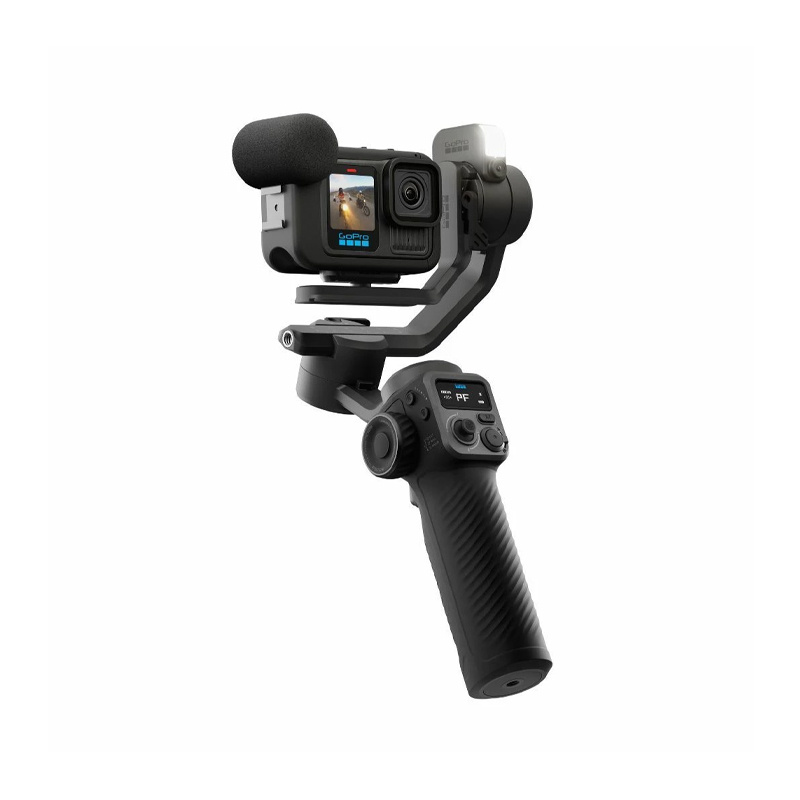
Unpacking the Basics: What Is a Gimbal Extension Rod?
At its core, a gimbal extension rod is a specialized pole designed to securely attach to the base of your handheld gimbal. It effectively lengthens the handle, giving you significantly more reach. Think of it not as a mere “stick,” but as an extension of your creative intent, allowing your camera to travel to places your body cannot easily go.
A gimbal extension rod, or gimbal extension pole, is a lightweight, rigid shaft, typically made from aluminum or carbon fiber, that features a standard mounting screw (usually 1/4″-20) on one end to attach to your gimbal and a grip or a tripod mount on the other. Its primary function is to increase the operator’s reach for capturing high-angle, low-angle, or drone-like shots.
Unlike a standard selfie stick, which is often flimsy and designed for static photos, a gimbal extension rod is engineered for motion. It’s built to be rigid and vibration-resistant to ensure it doesn’t introduce any new jitters into your carefully stabilized footage. It’s the bridge between a handheld shot and a full-scale crane shot.
Why Do You Need a Gimbal Extension Rod? Unlocking Creative Potential
So, it makes your gimbal longer. But why is that such a game-changer? The answer lies in the new perspectives it unlocks. Adding an extension rod to your kit is like adding new lenses to your camera bag—each one opens up a new way of seeing the world.
Achieving Cinematic Crane and Jib Shots
Have you ever wondered how filmmakers create those beautiful, sweeping shots that rise from the ground to reveal a stunning landscape or a dramatic scene? That’s often done with a large piece of equipment called a crane or a jib. A gimbal extension rod allows you to simulate this effect on a micro-scale. By holding the base of the rod and using your body as a pivot point, you can smoothly raise or lower your camera, adding a vertical dimension to your storytelling that feels incredibly high-budget.
Capturing Dynamic High-Angle Perspectives
Shooting from a high angle can make a subject feel smaller, provide a clear overview of a scene (like a dish being prepared in a cooking video), or simply offer a more engaging viewpoint than the standard eye-level shot. A gimbal extension pole lets you effortlessly lift your camera high above your head—or even higher—to capture clean, stable overhead shots without needing a ladder or a drone.
Getting Creative with Low-Angle Shots
Conversely, low-angle shots can make a subject appear powerful and heroic. However, achieving a smooth, low-to-the-ground tracking shot often means crouching or lying on the floor, which is uncomfortable and limits your mobility. With an extension rod, you can hold the gimbal inverted, letting the camera skim just above the pavement while you walk comfortably upright. This technique is perfect for following a subject’s feet, capturing the motion of a skateboard, or creating dramatic “dolly” shots.
Perfecting the “Invisible Selfie Stick” Effect
For vloggers and solo creators, the extension rod is invaluable. It allows you to position the camera further away from your body, creating a wider, more natural-looking field of view that includes more of the surrounding environment. When used correctly, it creates an effect similar to having a dedicated camera operator following you, making your vlogs feel more immersive and professional.
The Science of Stability: How Does an Extension Rod Work with a Gimbal?
It’s a common question: doesn’t adding a long pole to a sensitive, balanced device mess everything up? The beauty of a modern 3-axis gimbal is its powerful motors and intelligent algorithms. While the rod itself has no electronic parts, its interaction with the gimbal is a fascinating lesson in physics.
A gimbal works by constantly correcting for unwanted movements. When you add a gimbal extension rod, you are essentially creating a longer lever. This can amplify any subtle hand movements, so the gimbal’s motors must work slightly harder to maintain a perfectly level horizon.
“The key is re-balancing,” states Dr. Alistair Finch, a leading motion control engineer. “Before you even turn the gimbal on, you must ensure the camera is perfectly balanced on all three axes with the extension rod attached. The rod changes the overall weight distribution. If you skip this step, the motors will strain, leading to vibrations, reduced battery life, and potentially even damage to the gimbal over time. A well-balanced system, even on a long pole, is a stable system.”
Therefore, the rod doesn’t interfere with the gimbal’s technology; it simply extends the physical platform that the technology stabilizes. The principles of balance and smooth operation remain exactly the same.
Choosing the Right Gimbal Extension Pole: A Buyer’s Guide
Not all extension rods are created equal. Making the right choice depends on your specific needs, your gimbal, and your camera setup. Here are the key factors to consider.
Material Matters: Carbon Fiber vs. Aluminum
The two most common materials are aluminum and carbon fiber. Each has distinct advantages.
| Feature | Carbon Fiber | Aluminum |
|---|---|---|
| Weight | Extremely lightweight | Lightweight, but heavier than carbon fiber |
| Rigidity | Very high rigidity, excellent vibration damping | Good rigidity, but can flex more under load |
| Durability | Strong and resistant to bending | Can dent or bend upon strong impact |
| Cost | Significantly more expensive | More affordable and budget-friendly |
- Choose Carbon Fiber if: You are a professional who needs the absolute best performance, lightest weight for long shooting days, and maximum vibration reduction.
- Choose Aluminum if: You are a hobbyist or on a budget. It provides excellent functionality and durability for most use cases.
Length and Portability
Extension rods come in various lengths, often in telescoping sections.
- Shorter poles (around 35-70cm / 1-2.5 ft): Great for vlogging and adding a bit of extra reach without being cumbersome.
- Longer poles (100cm / 3 ft or more): Ideal for achieving dramatic crane shots and getting significant height.
Consider how the pole collapses. A compact, telescoping design is far easier to pack in a camera bag than a fixed-length or multi-piece rod.
Mounting System and Compatibility
This is crucial. Nearly all gimbals and extension rods use a standard 1/4″-20 screw thread. However, you should always double-check. The top of the rod needs a male 1/4″ screw to go into the female thread at the base of your gimbal handle. The bottom of the rod should ideally have a female 1/4″ thread so you can attach it to a tripod for static high-angle shots.
Weight and Payload Capacity
The rod itself has a weight, which adds to the total load you’re carrying. More importantly, ensure the rod is rated to handle the combined weight of your gimbal and camera setup. A flimsy rod can bend or break under the load of a heavy mirrorless camera and lens, leading to a disastrous accident.
Best Practices for Using Your Gimbal Extension Rod
Once you’ve chosen your rod, using it effectively requires a bit of practice.
- Secure Attachment: Ensure the rod is screwed tightly into the gimbal base. You don’t want any wobble or play between the two, as this will translate into shaky footage.
- Re-balance the Gimbal: This is the most critical step. Attach the rod, mount your camera, and perform a full balance of the pan, tilt, and roll axes before powering the gimbal on.
- Use Two Hands: For maximum control and the smoothest movements, operate the rod with two hands. One hand should be near the base for primary support and movement, while the other can be placed higher up to guide and dampen vibrations.
- Mind Your Surroundings: You are now operating a much longer piece of equipment. Be constantly aware of ceilings, tree branches, doorways, and people around you.
- Start with Slow Movements: The longer lever exaggerates motion. Practice slow, deliberate crane, pan, and tracking shots to master the feel of the extended setup before attempting faster, more complex moves.
Frequently Asked Questions (FAQ)
Can I use any extension rod with my gimbal?
Most likely, yes, as long as both the gimbal and the rod use the standard 1/4″-20 mounting thread. However, it’s essential to ensure the rod is strong enough to support the weight of your gimbal and camera.
Does a gimbal extension rod need batteries?
No, a gimbal extension rod is a purely mechanical accessory. It has no electronic components and does not require any power. All the stabilization work is done by the gimbal itself.
How much weight can a gimbal extension pole handle?
This varies by model and material. Manufacturers typically list a maximum payload capacity. Always choose a rod that is comfortably rated for the combined weight of your gimbal, camera, lens, and any other accessories.
Is a carbon fiber gimbal extension rod worth the extra cost?
For professionals, absolutely. The weight savings reduce fatigue on long shoots, and the superior rigidity can result in slightly cleaner footage, especially at full extension. For casual users, a high-quality aluminum rod is often more than sufficient.
What is the difference between a gimbal extension rod and a monopod?
While they look similar, a monopod is designed primarily to support a camera’s weight vertically for static shots. A gimbal extension rod is engineered for rigidity during motion and is meant to be held horizontally or at an angle to extend reach, not just for vertical support.
Conclusion: Extend Your Reach, Elevate Your Story
Ultimately, the answer to “what is a gimbal extension rod” is simple: it is a tool of perspective. It’s a simple, affordable, and incredibly effective way to break free from the constraints of handheld shooting. By allowing your camera to move in ways you physically cannot, it adds immense production value, dynamism, and a cinematic quality to your work. Whether you’re a vlogger looking for more engaging shots, a wedding videographer wanting to capture the ceremony from a unique angle, or a filmmaker aiming for that perfect crane shot, understanding and utilizing a gimbal extension rod is a crucial step in your creative journey. It’s time to reach higher, get lower, and tell bigger stories.