In today’s visually driven world, smooth, cinematic video footage is no longer a luxury but a fundamental necessity for impactful storytelling. From showcasing grand properties to immortalizing cherished wedding moments, the demand for high-quality video is booming. This is where your camera gimbal, a marvel of stabilization technology, becomes your most valuable asset. Transforming shaky handheld shots into professional, fluid productions, a gimbal empowers you to capture stunning visuals that captivate audiences. This article will guide you through the practical steps and expert insights to effectively monetize your gimbal skills in two of the most lucrative industries: real estate and weddings.
The Power of the Gimbal in Professional Videography
What exactly is a gimbal, and why has it become so indispensable for professional videographers? At its core, a gimbal is a motorized camera stabilizer that uses intelligent sensors and brushless motors to counteract unwanted camera movements across multiple axes. This ingenious design ensures your footage remains incredibly steady and smooth, regardless of how you move the camera.
The benefits of incorporating a gimbal into your videography workflow are profound. It instantly elevates the perceived quality of your work, lending a professional and polished look that distinguishes you from amateur efforts. Gimbals facilitate immersive, engaging visuals, making viewers feel as if they are truly experiencing the scene, whether walking through a luxurious home or witnessing a tender wedding vow. This ability to deliver exceptional footage provides a significant competitive edge, allowing you to charge premium rates and secure more desirable projects.
Real Estate Videography: Capturing Properties with Professional Flair
The real estate market thrives on visual appeal. A static photo gallery, no matter how well composed, often falls short of conveying the true essence and flow of a property. This is where gimbal-stabilized video steps in, transforming listings into engaging virtual experiences.
Why Real Estate Needs Gimbals
|
Our Picks for the Best Camera Stabilizer in 2026
As an Amazon Associate I earn from qualifying purchases.
|
||
| Num | Product | Action |
|---|---|---|
| 1 | Zeadio Video Action Stabilizing Handle Grip Handheld Stabilizer with Cold-Shoe Mount for All DSLR Camera Camcorder |

|
| 2 | DJI RS 3 Mini, 3-Axis Gimbal Stabilizer for Cameras Canon/Sony/Panasonic/Nikon/Fujifilm, 2 kg (4.4 lbs) Tested Payload, Camera Gimbal with Native Vertical Shooting, Black |
|
| 3 | 3-Shoe DSLR/Mirrorless/Action Camera Camcorder Phone Stabilizer Expansion Cage Mount Moviemaking Holder Rig YouTube Tiktok Vlogging Video Kit Compatible with GoPro Canon Nikon Sony iPhone Android |
|
| 4 | DJI Osmo Mobile 8 Advanced Tracking Combo Gimbal Stabilizer for Phone, AI Native Tracking with Audio & Lighting, 360° Pan Rotation, Built-in Extension Rod & Tripod, 10h Battery, Extension Rod |
|
| 5 | DJI Osmo Mobile 7P Gimbal Stabilizer for iPhone, Android, Native Tracking, Lighting, 3-Axis Phone Gimbal, Quick Launch, One-Tap Edit, Built-in Extension Rod & Tripod, 10hrs Use, Phone Charging |
|
| 6 | Zeadio Camera Stabilizer Kit, All-in-One Handheld Stabilizer with LED Video Light, Microphone, Phone Holder & Action Camera adaper, Fits for All Camera, DSLR, Action Camera and All Smartphones |
|
| 7 | DJI Osmo Mobile 7 Gimbal Stabilizer for iPhone, Android, Built-in Tripod, Portable Stabilizer for iPhone, Selfie Stick, 3-Axis Phone Gimbal, ActiveTrack 7.0, One-Tap Edit, 10hrs Use, Phone Charging |
|
| 8 | FeiyuTech SCORP 2 Gimbal Stabilizer for DSLR and Mirrorless Camera, Integrated Al Tracking Sensor, 3-Axis Camera Stabilizer for Sony Canon Panasonic Nikon, 2.5kg Payload Touch Screen Vertical Shooting |
|
| 9 |
|
|
| 10 | ZHIYUN CINEPEER Weebill 3E [Official], 3-Axis Lightweight Gimbal Stabilizer for DSLR & Mirrorless Camera Canon/Sony/Panasonic/Nikon, 3KG Payload, Native Vertical Shooting, Bluetooth Shutter Control |
|
Real estate agents and developers increasingly rely on professional video to make their properties stand out. A gimbal-produced video enhances property listings with immersive virtual tours that guide potential buyers through spaces with seamless, engaging movement. This isn’t just about showing rooms; it’s about telling the story of a home, creating an emotional connection that helps viewers envision themselves living there. This level of presentation attracts more potential buyers and can significantly shorten sales cycles. Furthermore, smooth, visually appealing content captured with a gimbal is perfect for social media, increasing reach and shareability across platforms like Instagram and TikTok, which are vital for modern property marketing.
Services to Offer in Real Estate
With your gimbal, you can offer a diverse range of services to real estate clients:
- Video Walkthroughs: The most common service, providing a guided tour through the property’s interior and exterior.
- Agent Introductions: Smoothly filmed segments of the agent presenting the property or offering insights.
- Aerial Footage (Drone Integration): If you have drone capabilities, combine gimbal footage with aerial views for a comprehensive property overview.
- Twilight/Day-to-Night Transitions: Capture the property’s ambiance at different times of day, seamlessly transitioning between them.
- Property Highlights and Lifestyle Shots: Focus on unique features, amenities, and the potential lifestyle the property offers.
Marketing Strategies for Real Estate Clients
To succeed in real estate videography, strategic marketing is key:
- Building a Strong Portfolio: Initially, consider offering your services pro-bono or at a reduced rate for a few properties to build a diverse and impressive portfolio. Showcase various property types and styles.
- Networking with Real Estate Agents: Attend open houses, agent meetings, and local real estate events. Hand out business cards and showcase your demo reel. Personal connections are invaluable.
- Leveraging Social Media: Actively post your best work on platforms popular with real estate professionals and potential buyers. Utilize Instagram Reels, TikTok, and YouTube for short, impactful clips.
- Offering Tiered Packages and Add-ons: Create clear service packages (e.g., basic walkthrough, premium package with drone and agent intro) and offer add-ons like virtual staging or twilight shots to increase your average project value.
- Professionalism and Reliability: Consistently deliver high-quality work on time and maintain excellent communication. Your reputation will be your strongest marketing tool.
Pricing Your Real Estate Videography Services
Pricing can be challenging, as real estate agents often seek fast, well-done, and cheap services. You must educate clients on the value of professional videography. Factors influencing your pricing include property size, video length, complexity of shots, and editing time. When starting out, shooting smaller, more numerous homes can help you build volume and portfolio, even if individual price points are lower. As your skills improve and your portfolio grows, you can command higher prices, especially by targeting luxury and high-end properties. Add-ons like video walkthroughs and agent introductions are excellent ways to increase your income per shoot.
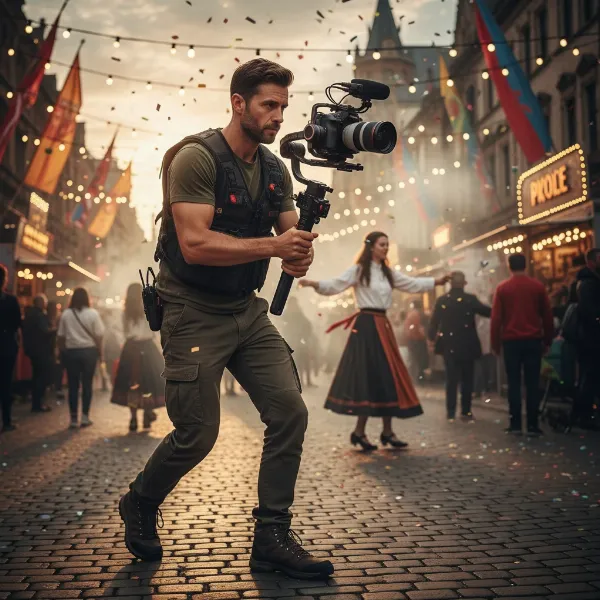 A videographer using a gimbal to capture smooth, professional footage for a client project, emphasizing stability and cinematic quality.
Wedding Videography: Documenting Love Stories with Grace and Precision
Weddings are once-in-a-lifetime events, filled with fleeting moments and raw emotions that demand to be captured with the utmost care and professionalism. A gimbal is an indispensable tool for wedding videographers, ensuring every precious moment is recorded with grace and cinematic flair.
Why Gimbals are Indispensable for Weddings
The dynamic and unpredictable nature of weddings makes gimbals invaluable. They allow you to capture fluid movements, from the bride walking down the aisle to the couple’s first dance, without jarring shakes or wobbles. This smooth motion is crucial for emotional storytelling, creating a cinematic experience that couples will cherish for decades. Gimbals enable videographers to navigate crowded venues, move swiftly between different scenes, and capture “run-and-gun” shots with impressive stability, crucial for capturing all the spontaneous magic of a wedding day [cite: 2 (wedding search)].
Services to Offer for Weddings
Beyond a standard wedding film, consider these offerings to enhance your services:
- Full Wedding Day Highlight Films: A beautifully edited, shorter film summarizing the day’s key moments.
- Ceremony and Reception Edits: Provide full-length, multi-camera edits of the vows, speeches, and dances [cite: 1 (wedding search)].
- Raw Footage as an Add-on: While sometimes controversial among videographers, offering raw footage can be a significant revenue booster for couples who want every unedited moment [cite: 1 (wedding search)].
- Love Story Interviews: Pre-wedding interviews with the couple about their journey.
- Pre-Wedding Shoots: Capture engagement or “save the date” videos.
Attracting Wedding Clients
Building a client base in the wedding industry requires a blend of skill and networking:
- Building a Stunning Portfolio: Start by offering to film for friends or family, or by second shooting for established videographers. These initial projects are critical for building a portfolio that showcases your ability to capture emotional, smooth wedding footage [cite: 2, 5 (wedding search)].
- Networking with Wedding Vendors: Connect with wedding planners, photographers, venues, and DJs. They are often your best source of referrals.
- Online Presence: Create a professional website and showcase your best work on platforms like Instagram, YouTube, and wedding-specific directories.
- Focus on Storytelling: Emphasize how you capture the unique love story of each couple. Quality audio is also paramount for capturing vows and speeches effectively [cite: 5 (wedding search)].
- Second Shooting: Gaining experience as a second shooter for other videographers is an excellent way to learn the ropes, build your network, and earn some income while refining your craft [cite: 5 (wedding search)].
Setting Your Wedding Videography Rates
Your wedding videography rates will depend on your experience, the duration of coverage, the number of deliverables, and your location. Customization is key; offer various packages that cater to different budgets and needs. High-end wedding videography can command significant fees, with some professionals earning tens of thousands per event [cite: 2 (wedding search)]. Add-ons like extra coverage hours, drone footage, or raw footage delivery can significantly boost your revenue [cite: 1 (wedding search)]. When starting out, it’s wise to begin lean with your gear and invest further as your income grows [cite: 3, 5 (wedding search)].
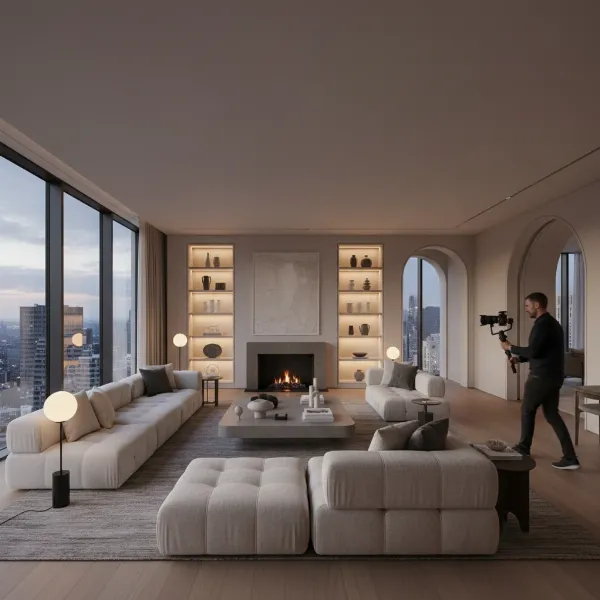 An interior shot of a luxury home being filmed with a gimbal, showcasing smooth camera movement through an open living space.
Essential Gimbal Techniques and Business Fundamentals
Beyond just owning a gimbal, mastering its operation and understanding the business side of videography are crucial for sustained success.
Mastering Your Gimbal
- Calibration and Balancing: Before every shoot, ensure your camera is perfectly balanced and the gimbal is calibrated. This prevents motor strain and guarantees the smoothest footage.
- Basic Movements: Practice fundamental movements such as walking straight, pushing in, pulling out, orbiting a subject, and executing smooth pans and tilts. Consistent practice will make these movements feel natural [cite: 3, 4 (gimbal tips)].
- Varying Angles and Heights: Don’t be afraid to experiment. Use your gimbal to smoothly transition from low-angle shots near the ground to eye-level and even higher, perhaps by attaching it to a monopod, to add visual interest and depth [cite: 3, 4 (gimbal tips)].
- Smooth Transitions: Plan your shots with transitions in mind. Utilize creative swipes, reveals, or slow rotations to move seamlessly between scenes, making your final edit more dynamic [cite: 5 (gimbal tips)].
- Operator Control: Often, subtle wrist movements are more effective than relying solely on joysticks for smooth camera control [cite: 5 (gimbal tips)]. Develop a “ninja walk” to minimize footsteps in your footage.
Building Your Videography Business
- Gear Essentials (Beyond the Gimbal): While your gimbal is central, a successful videography business requires other key equipment. This includes a reliable camera body, a versatile set of lenses, quality audio recording equipment (lavalier mics, external recorders), and portable lighting. When starting, it’s often best to begin with more affordable gear and upgrade strategically as your business generates income [cite: 3, 5 (wedding search)].
- Editing Skills: Even the best raw footage needs professional editing. Master video editing software to color grade, add music, stabilize further, and craft a compelling narrative.
- Marketing & Branding: Develop a professional brand identity, including a logo, website, and consistent social media presence. Your portfolio is your most powerful marketing tool, so keep it updated with your best work.
- Client Communication & Professionalism: Clear communication, detailed contracts, and managing client expectations are paramount. Respond promptly, deliver on time, and always maintain a professional demeanor.
> “Your gimbal is an extension of your creative vision. Master its mechanics, and then forget about the technology; focus entirely on the story you want to tell. That’s where true professionalism shines.” – Alex Chen, Professional Cinematic Videographer
Buying Guide: Expert Advice for Aspiring Gimbal Videographers
Embarking on a videography career can seem daunting due to equipment costs. However, remember that skill and storytelling outweigh expensive gear.
- Don’t Be Afraid to Start Affordable: Many successful videographers began with modest equipment. A used camera body, a good lens, and a decent entry-level gimbal can produce amazing results [cite: 3, 5 (wedding search)]. Prioritize learning the fundamentals of cinematography and business over acquiring the latest gear.
- Prioritize Skill Development: Investing in courses, workshops, and consistent practice will yield far greater returns than constantly chasing gear upgrades. “Someone who can shoot around the limitations of a lower-end camera will have things like lighting, exposure, WB, stabilization, framing, etc. ingrained in them.” [cite: 3 (wedding search)].
- Continuously Learn and Adapt: The videography landscape is constantly evolving. Stay updated on new techniques, software, and industry trends to remain competitive and expand your service offerings.
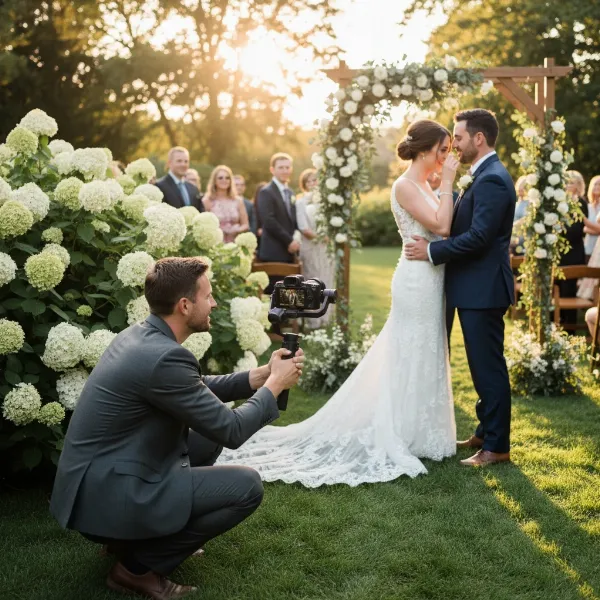 A wedding videographer discreetly using a gimbal to capture a bride and groom during their outdoor wedding ceremony, ensuring smooth, emotional footage.
Conclusion
The camera gimbal is more than just a piece of equipment; it’s a gateway to professional videography, enabling you to create stunning, cinematic content that resonates with clients. The real estate and wedding industries, with their constant demand for high-quality visual storytelling, offer fertile ground for monetizing your gimbal skills. By mastering your craft, understanding the unique needs of these markets, and implementing smart business strategies, you can transform your passion into a thriving and rewarding career.
Ready to take the leap and start capturing those smooth, professional shots that pay? What kind of unforgettable stories will your gimbal help you tell?
Frequently Asked Questions
What’s the best gimbal for beginners?
For beginners, a versatile and user-friendly gimbal like the DJI RS 3 Mini or Zhiyun Weebill 3S offers excellent stability and features without overwhelming complexity. These models are compatible with various mirrorless cameras and can help you develop fundamental gimbal operating skills effectively.
How much should I charge for real estate video?
Real estate video pricing varies widely based on property size, video length, location, and included services (e.g., drone footage, agent intros). Entry-level services might start from $200-$500 per property, while comprehensive packages for luxury homes can exceed $1000. It’s crucial to research local market rates and value your time and expertise.
Do I need a drone for real estate videography?
While not strictly essential, drone footage significantly enhances real estate videos by providing stunning aerial views of the property and its surroundings. Offering drone services can help you stand out and command higher prices, but you can certainly start a successful business without one, focusing on interior and ground-level gimbal shots.
Is it okay to shoot weddings for free initially?
Yes, shooting a few weddings for free or at a significantly discounted rate for friends, family, or as a second shooter is an excellent strategy to build your portfolio and gain invaluable experience. This allows you to refine your skills and gather high-quality demo reels necessary to attract paying clients later on [cite: 2 (wedding search)].